
When customers walk in and see our tags, the first question is always some version of: are these prices real? Yes. The second is: how do you know what to charge? That part takes a little more explaining. So here it is. The actual process we run every week to set every tag on the floor.
Every Tuesday morning, two of us sit down at the back office with three browser tabs open: HomeDepot.com, Menards.com, Lowes.com. Plus Amazon for hardware and lighting where it competes. We work down a spreadsheet of every active SKU we have on the floor, look up the equivalent at each retailer, and write down the price. That's it. No fancy software, no third-party pricing tool.
The rule we set ourselves in 2002 (and we still hold to) is that the Price-Less tag has to be at least 20% under the lowest of those four numbers. Most of the time we're closer to 50% under, because the items came in as surplus and we already bought them at a discount. The 20% floor exists for the unusual cases where we paid more than expected or had to ship something special.
What we don't do: chase the bottom of the market. eBay listings, Mercari, thrift, Craigslist. None of that goes into the benchmark. We price against retail, because that's what the customer is actually choosing between when they decide where to spend. Comparing to a used Mercari listing would make our prices look worse than they are.
We also don't advertise sale prices that we can't hold. If we've only got two of something on the floor and it's priced at $99, the tag stays at $99 until both are gone. We're not interested in bait-and-switch. That's how big-box stores end up with class actions, and we'd like to keep our reputation.
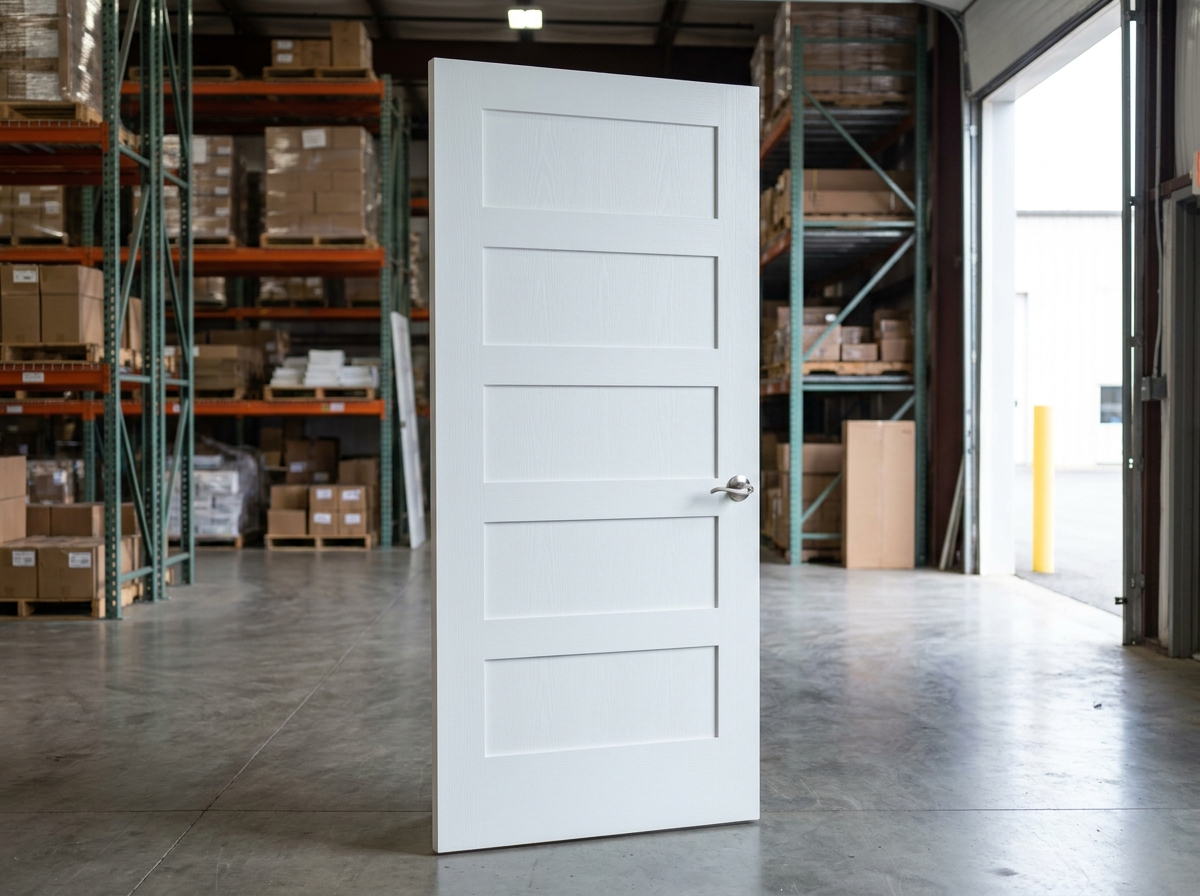
Occasionally we get a SKU we can't cleanly compare to a big-box item. Reclaimed doors are a good example. They're one-of-one. For those, we look at architectural-salvage listings out of Milwaukee and Minneapolis, take the median, and discount about 30%. Our pricing on reclaimed is published right on the floor next to the item, no haggling.
Finally: the tag itself. Every Price-Less tag prints with three numbers: our price, the lowest big-box price we found, and the dollar savings. We started doing that in 2014 and it's the single thing customers say they wish other stores did. It's a little more work for us, but it's the right thing.